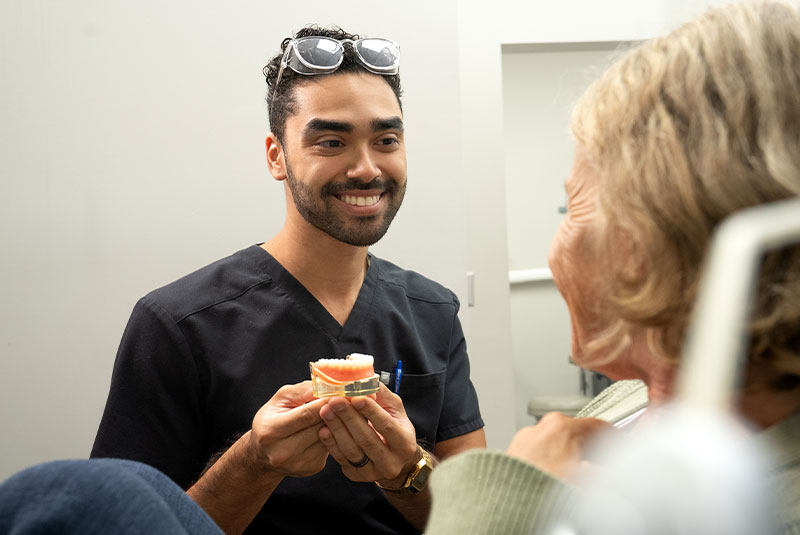
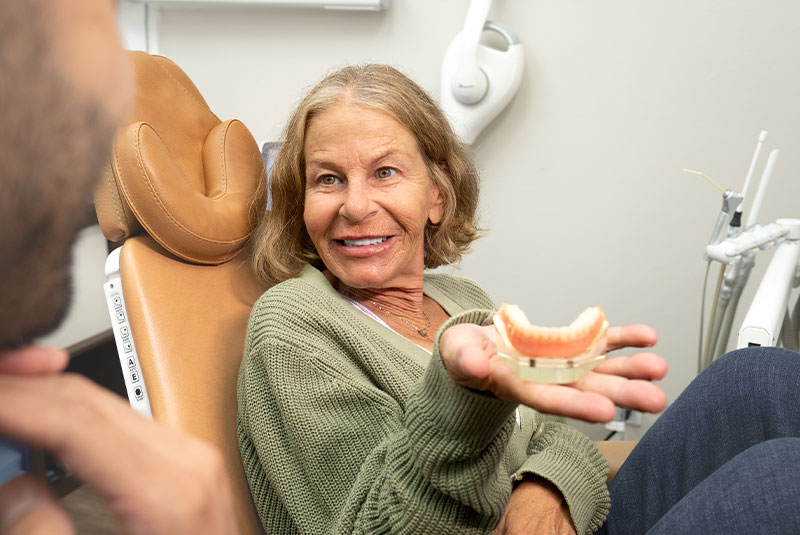
Dental implants at Care One Dental aren’t a one-visit solution; they require a carefully planned process designed to rebuild your smile from the foundation up.
The dental implant procedure in Delray Beach and Boynton Beach, FL, includes multiple phases, from consultation to placement and final restoration, each focused on long-term success. You’ll enjoy a healthy smile that’s carefully crafted to last a lifetime with natural-looking aesthetics and function!
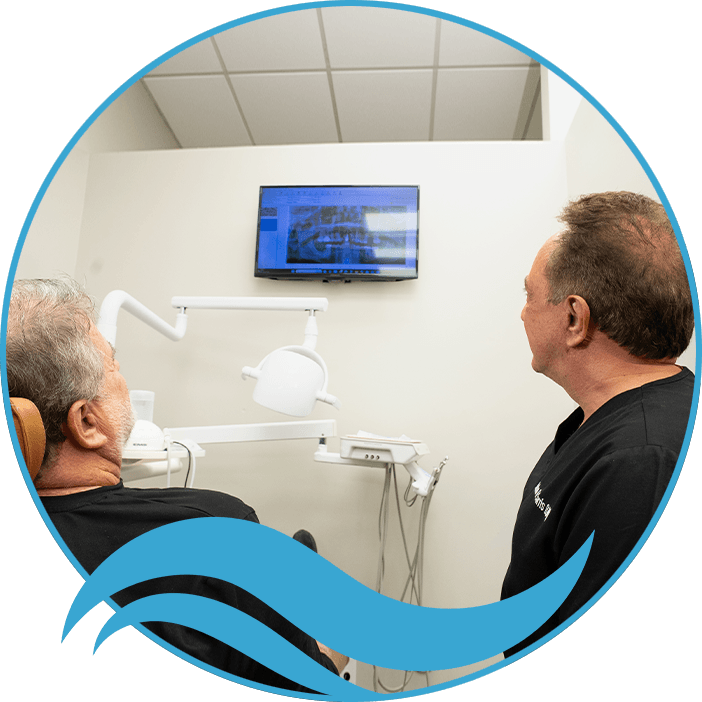
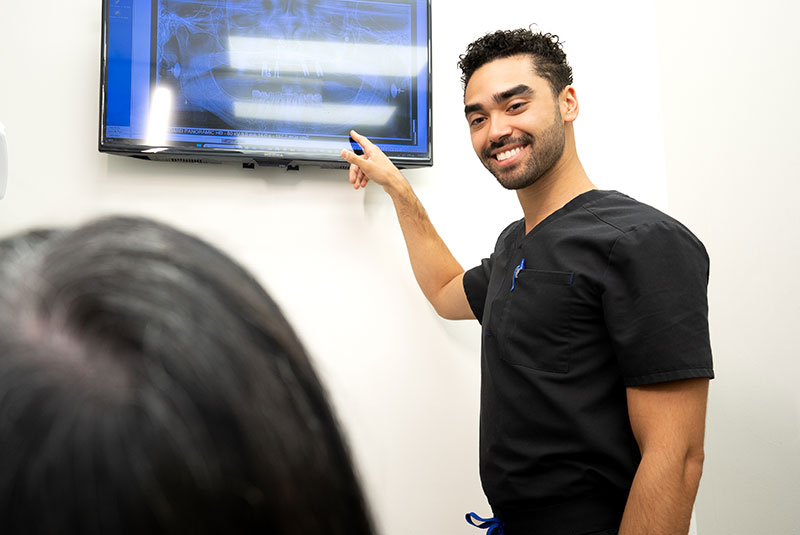
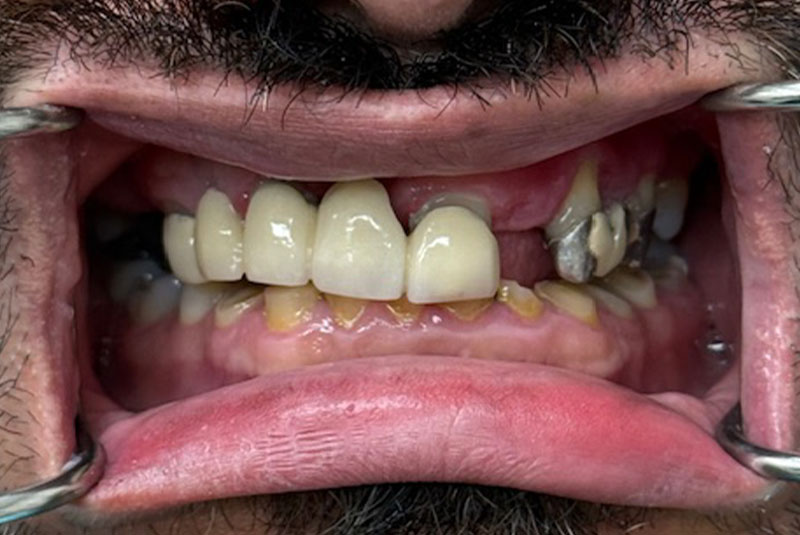
The dental implant process in Delray Beach and Boynton Beach, FL, starts with a free consultation. Our team will perform an oral exam and take digital imaging to assess the health of your underlying jawbone. We’ll also review your medical and dental history, discuss your smile goals, and explain what to expect from dental implants.
Dental Implant Placement
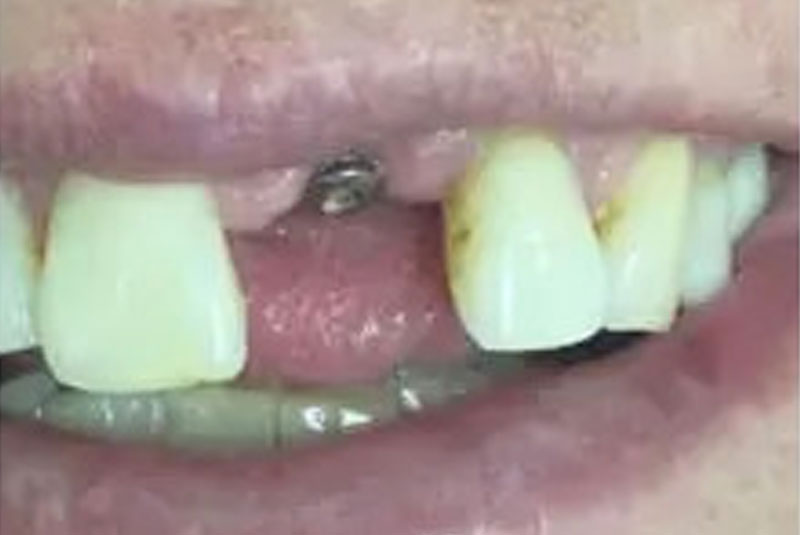
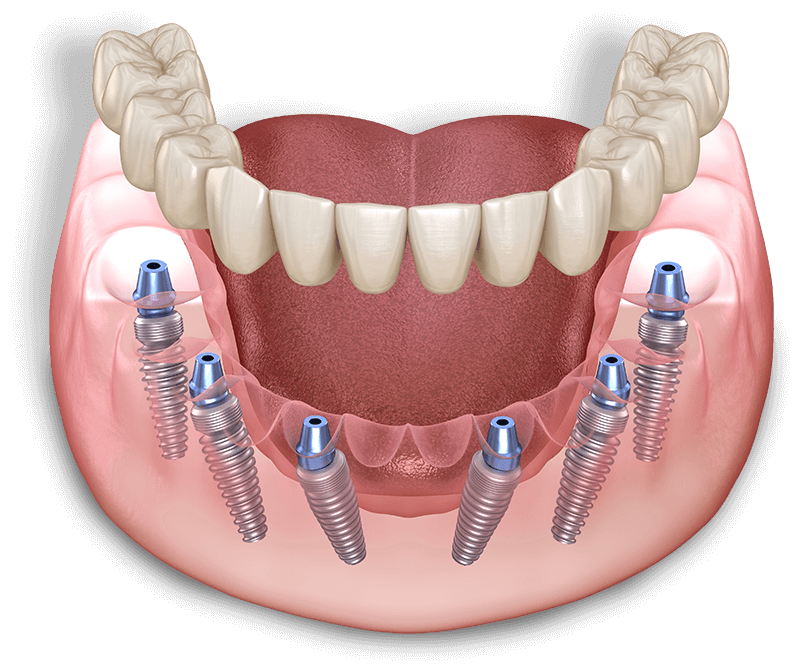
In addition to local anesthesia, we offer sedation dentistry to ensure your comfort and alleviate any dental anxiety. Once sedation has taken effect, a small incision is made in your gum tissue to access the bone. A hole is drilled, and then the implant post is meticulously placed in a predetermined location.
Same-Day Teeth
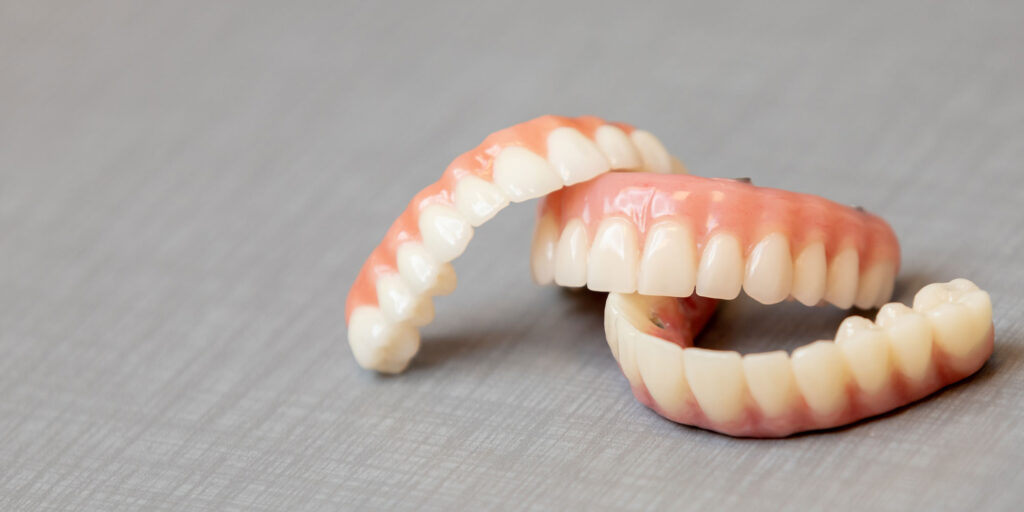
For patients receiving full-mouth dental implants, the All-on-X implant protocol often enables placing temporary teeth the same day as surgery. The teeth are milled on-site from PMMA (polymethyl methacrylate), a biocompatible, cost-effective material known for its excellent aesthetics.
Healing and Follow-up Visits
After implant surgery, your body begins a natural healing process in which the implant fuses with your jawbone. This phase, known as osseointegration, can take 3–6 months as your bone gradually bonds with the implant. During implant surgery recovery in Delray Beach and Boynton Beach, FL, you’ll schedule follow-up visits at Care One Dental to monitor healing and ensure no complications arise.
Final Restoration
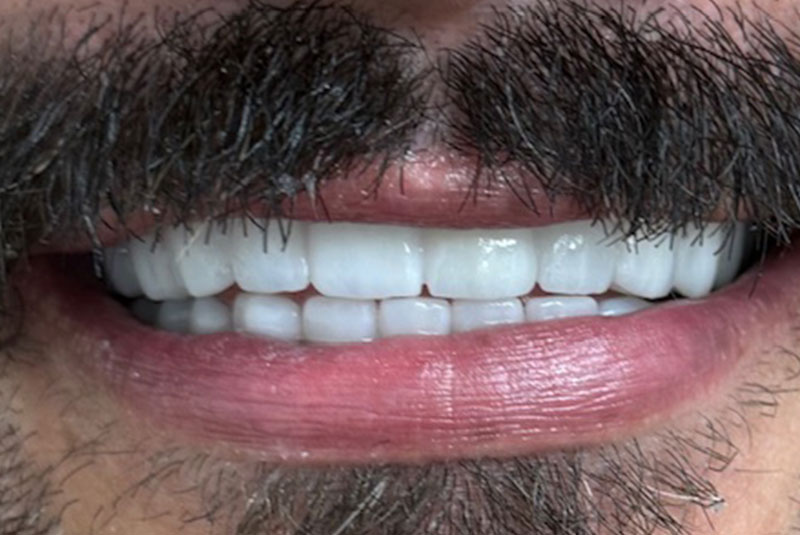
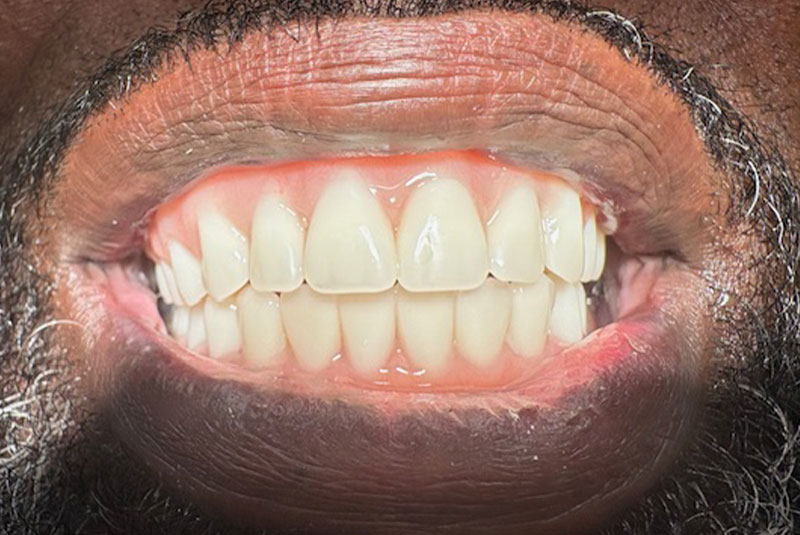
Once healing and fusion are complete, you’ll receive a custom-crafted dental crown or bridge. If you received temporary PMMA teeth, they will be replaced with a final zirconia prosthesis designed for long-term durability and natural aesthetics.
Factors That Can Impact the Dental Implant Timeline
Chronic health issues can impact how your body heals and responds to implant treatment. If you have uncontrolled diabetes or an autoimmune disorder, careful planning is essential for your procedure to progress safely and predictably.
Some medications can interfere with healing or bone integration, potentially slowing the implant process. Adjustments or timing considerations may be needed before scheduling surgery.
If additional treatments such as tooth extraction or bone grafting are needed, this can extend the dental implant timeline in Delray Beach and Boynton Beach, FL. While they add time, these procedures are crucial for rebuilding a strong implant foundation.
Smoking and inconsistent oral care can interfere with healing and increase complication risks. Quitting smoking or tobacco use before surgery and not resuming until after osseointegration is complete can improve the probability of a successful outcome.
Adequate bone density and volume are required for implant stability. Bone grafting provides the support implants require to fuse properly with your jawbone.
Postsurgical complications, such as peri-implantitis, can temporarily pause your treatment timeline. Early laser treatment helps resolve issues quickly and effectively.
No two patients heal the same, and your body’s natural pace plays a role in timing. Regular follow-up visits help determine if everything is progressing as expected.
Experience Lasting Smile Results with Proper Aftercare
Giving your body the time and care it needs after implant surgery is key to a smooth recovery and long-lasting results.
At home, it’s important to maintain excellent oral hygiene, follow all aftercare instructions, eat a balanced diet, and avoid habits like smoking that can interfere with healing. Ongoing professional implant maintenance and routine dental visits help ensure your implants stay healthy, stable, and looking their best for decades.
The cost of dental implants varies based on many factors, including the type and number of implants, the complexity of the surgery, the need for preliminary procedures, and the restoration material.
Placing dental implants in the upper back arch is challenging primarily because of limited vertical bone height due to large sinus cavities, lower bone density, and rapid bone resorption following tooth loss. A specialized type of bone grafting called a sinus lift can remedy this situation.
I understand the information disclosed in this form may be subject to re-disclosure and may no longer be protected by HIPAA privacy regulations and the HITECH Act.
Find out if you're a
candidate for dental implants
Answer the Following Questions To Learn more about our pricing and financing options.