How to Know You are a Candidate for Dental Implants
Many people assume that only a small group qualifies for dental implants. On the contrary, a wide range of adults are eligible to replace teeth with this popular smile restoration. To start, most candidates simply need to be in good health, have a strong jawbone, and practice good oral hygiene. A dental provider looks at the entire picture, not just the gap in the smile, in order to decide whether dental implants are a good fit or if the patient could benefit from qualifying treatments.
How dental implants replace teeth
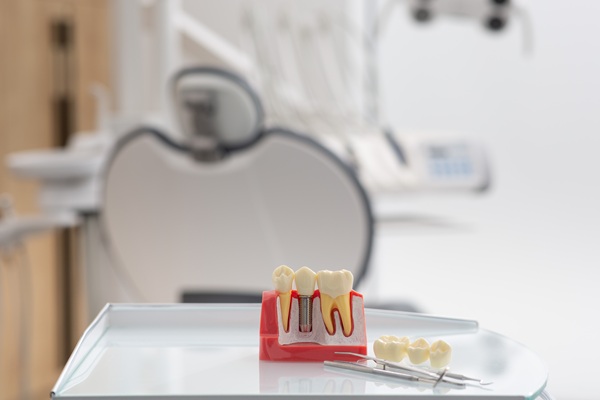
Dental implants replace missing tooth roots, not just the visible tooth structure above the gums. This treatment involves placing a small titanium post (the implant) into the jawbone, then attaching a custom dental crown, bridge, or denture to that foundation after healing. The treatment’s innovative design allows the implant to function much like a natural root, transferring chewing forces into the bone and supporting nearby teeth.
Since implants stand independently, they do not rely on neighboring teeth for support. That means a provider does not need to grind down healthy enamel to place a bridge or rely on removable clasps for a partial denture. Patients who want a fixed, natural-feeling tooth replacement often consider implants for this reason.
How is candidacy for dental implants determined?
As mentioned, most patients can qualify for dental implants. If they do not immediately, there are procedures to help them qualify later on. Eligibility factors for implants include:
Number and location of missing teeth
The first thing a dental provider looks at is how many teeth are missing and where they are missing. Some patients need a single implant to replace a single tooth, while others benefit from multiple implants that support a bridge or a full-arch restoration. The position of the gap in the mouth also affects planning.
In addition, front teeth require careful attention to bone contours and gum shapes to create a natural appearance. Back teeth often carry heavier chewing forces, so they may need wider or additional implants. A dental provider studies the bite, jaw movement, and opposing teeth to determine candidacy and design a plan that balances strength and aesthetics.
General health factors that support implant success
A patient’s general health is an important consideration for dental implant candidacy. Implants are best when the patient’s body heals predictably and responds well to minor oral surgery. A dental provider carefully reviews medical history, including chronic conditions such as diabetes, heart disease, and autoimmune disorders. Managed conditions usually allow safe treatment, while unstable health may require better management before implant surgery can be scheduled.
Medications also matter. Certain drugs can affect bone metabolism, bleeding, or immune response. The dental provider may consult with the patient’s physician when necessary to coordinate care.
Jawbone and gum requirements
Dental implants need healthy bone and gum tissue for support. After tooth loss, the jawbone in that area can shrink over time because it no longer receives regular stimulation from chewing. During an evaluation, the dental provider uses imaging to measure bone height, width, and density. Patients with strong bone volume in the planned implant site often qualify immediately.
When bone appears thin or shallow, implant treatment may still succeed with the help of grafting procedures. A bone graft can rebuild the ridge and create a more stable base for dental implants.
Healthy gums are also important because they protect the deeper structures from bacteria. Patients who show signs of gum disease will need to undergo periodontal care before they can qualify for dental implants. Once the gums respond and the bone looks stable, implants become a safer choice.
Oral hygiene and lifestyle
Daily habits influence the success of dental implants just as much as surgical skill. Ideal candidates show a commitment to regular brushing, flossing, and professional dental cleanings and checkups. This is because good oral hygiene reduces the risk of infection around implants, which helps them last a lifetime. Note that patients who already maintain consistent dental visits usually transition smoothly to caring for implants, since they require the same care as real teeth.
Move toward a confident, stable smile
Dental implants work best when health, bone strength, and habits align with treatment goals. A suitable candidate generally shows stable general health, adequate or rebuildable bone volume, healthy gums, and a willingness to commit to ongoing care. The dentist will also look at the number and location of missing teeth before moving forward with treatment. To take the first step, contact our Delray Beach office today and ask about dental implants.
Request an appointment here: https://www.careonedentalfl.com or call Care One Dental of Delray at (561) 894-0268 for an appointment in our Delray Beach office.
Check out what others are saying about our dental services on Yelp: Dental Implants in Delray Beach, FL.
Related Posts
Dental implants replace tooth roots, anchoring right into the jawbone. They support natural chewing forces, protect the jawbone from tissue loss, and stabilize confident smiles. This design makes them a smart investment for those seeking a long-term solution to replace missing teeth. While dental implants can last a lifetime, their longevity depends on proper care…
When someone is missing one or more teeth, it will affect not only their ability to eat, but also the health of their jawbone and face structure, and this can all be corrected with dental implants. As an additional concern, these implants can improve your smile, which will be good for their confidence level and…
Dental implants replace missing teeth and help with chewing, speaking, and smiling. They can consist of titanium or a combination of titanium and ceramic materials. Dental implants serve as anchors for artificial replacements: full dentures, partial dentures, dental crowns, and bridges. If you are considering dental implants, this guide will help you know what to…
Having dental implants can correct tooth loss, which is the primary reason for getting these dental replacements. Other reasons for getting them may determine if you are a good candidate for this treatment. Knowing if you are a good candidate for dental implants can help you prepare well for your next appointments. Here are the…